
www.industry-india.com
04
'26
Written on Modified on
Wind Power Infrastructure Expansion in Tamil Nadu
Tata Power Renewable Energy and Tata Steel Collaborate on 198 MW Captive Wind Project.
www.tatapower.com
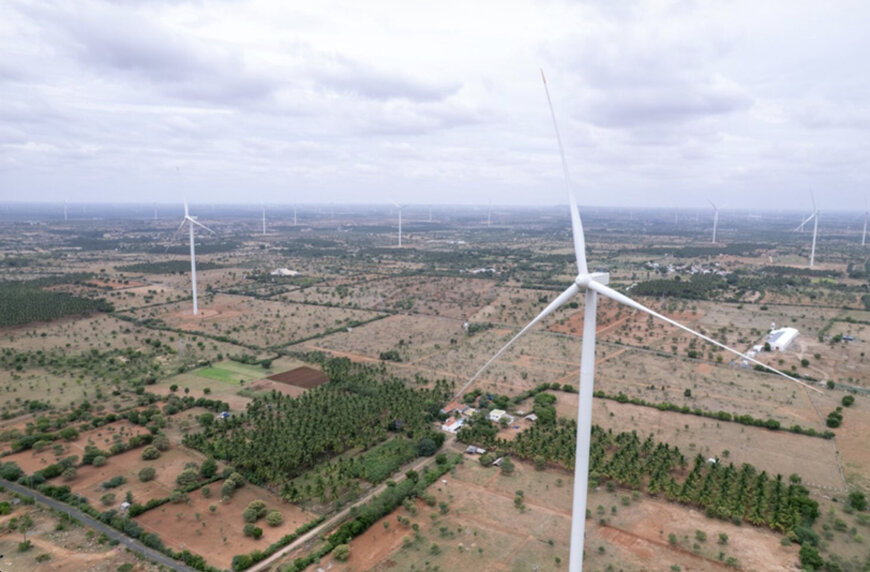
Tata Power Renewable Energy Limited and Tata Steel have completed a large-scale wind energy installation in Karur, Tamil Nadu, under a group captive model to supply renewable electricity and support industrial decarbonization.
Karur Wind Project Supports Industrial Renewable Power Demand
Tata Power Renewable Energy Limited (TPREL), a subsidiary of The Tata Power Company Limited, commissioned a 198 MW wind energy project comprising 55 wind turbine generators (WTGs) of 3.6 MW each to supply approximately 31 million units (MUs) of electricity annually to Tata Steel under a captive framework. The project targets use in heavy industry power needs and aligns with renewable infrastructure expansion and industrial decarbonisation efforts.
Context of the Cooperation
TPREL is a renewable energy developer with utility-scale wind and solar portfolios across India, tasked with generating and operating clean power assets. Tata Steel, an integrated steel producer, requires long-term renewable supply to reduce lifecycle emissions and meet sustainability targets. Under the group captive arrangement, Tata Steel owns a stake in the capacity and obtains power under Indian open access provisions, reducing reliance on conventional grid sources and fossil fuels. Collaborative execution was required due to project scale, regulatory coordination, and integration with industrial load profiles.
Technical Solution and Responsibilities
The wind farm includes 55 WTGs, each rated at 3.6 MW, installed on foundations engineered to suit local soil and wind conditions. TPREL adopted a self-EPC (engineering, procurement, and construction) model, executing balance of plant (BoP), civil works, 33 kV transmission systems, and supervisory controls in-house rather than subcontracting major packages. This approach provided greater control over scheduling, interfaces, and system integration, and aligns with technical standards for grid interconnection and open access compliance.
Execution and Deployment
Located in Karur district, the site’s development involved material logistics, foundation excavation in hard rock, and coordinated erection of turbine assemblies. Foundation works were completed in 126 days, and turbine installation in 167 days, reflecting project management frameworks and engineering resource planning. High-tension cables and transformer substations were integrated to evacuate generation to Tata Steel’s load dispatch points via regional distribution networks.
Use Cases and Operational Role
The wind installation provides renewable electricity to support core industrial operations, reducing grid dependence during peak demand. With an expected annual generation of 31 MUs, the project displaces around 26,350 tonnes of CO₂ emissions per year relative to equivalent fossil generation, delivering measurable benefits for energy sourcing and greenhouse gas accounting.
Technical and Strategic Impact
The addition contributes to TPREL’s expanding renewable utility capacity, bolstering India’s wind-generated energy share and supporting corporate decarbonisation metrics. By implementing an integrated EPC delivery and meeting interconnection standards, the partnership underlines operational capabilities in industrial renewable infrastructure and captive power deployment.
www.tatapower.com
