
www.industry-india.com
22
'24
Written on Modified on
SCHNEIDER ELECTRIC AUTOMATES INDIA’S LARGEST SINGLE STAGE WASTEWATER TREATMENT PLANT
The project supports the Namami Gange initiative for enhancing water quality in the country through smart, sustainable and digital solutions.
www.se.com
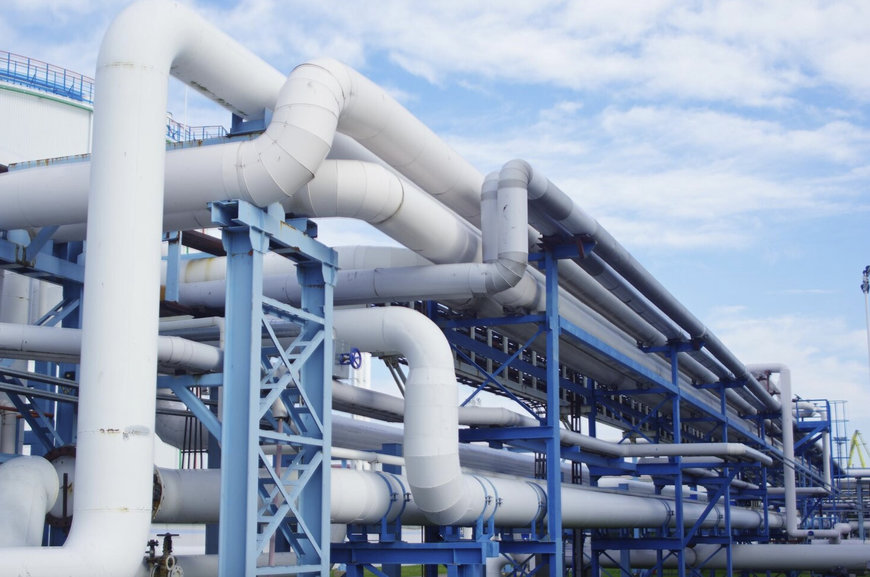
Schneider Electric supports the Namami Gange initiative through the sustainable automation of India’s Largest Single Stage Wastewater Treatment Plant in Delhi. In line with the Delhi Jal Board Yamuna Action Plan, SUEZ is constructing this plant, with Schneider Electric as the primary Energy management and NextGen automation solution provider.
With a capacity to sustainably treat 564 million litres per day of sewage, this cutting-edge plant is poised to meet the needs of the roughly 30 million people residing in the national capital. The plant is being set up to enhance water quality and reduce pollution in the river. It is developed to achieve self-sufficiency and sustainability by producing around 50% of its energy needs through biogas.
The plant has been engineered to meet the most rigorous water discharge quality standards, harnessing Schneider Electric’s advanced universal automation technology. Operating as a fully automated facility, it boasts complete control driven by Schneider Electric’s IoT-enabled EcoStruxure platform, offering a secure, dependable, efficient, and sustainable approach to wastewater treatment. This encompasses the deployment of EcoStruxure Process Expert Automation platform, Altivar Process Drives, Altivar Soft Starters, Micom relays, Transformers, and MV & LV solutions.
Through this collaboration with SUEZ, Schneider Electric has delivered a range of advanced digital solutions ensuring seamless integration of electrical and automation solutions within the plant, thus enhancing operational efficiency, reliability, and uptime while also providing long-term service support. SUEZ leads the project with its advanced technologies that are adapted to local conditions, meet health standards, and protect water resources and biodiversity. Apart from treating water, the plants designed by SUEZ also allow, where appropriate, the reuse of wastewater, keeping pace with the environment and public health protocols.
This project holds immense significance in addressing the pressing need for clean water in the region. Moreover, the Water and Wastewater industry is a significant contributor to global warming, demanding substantial energy for water treatment and distribution while generating direct greenhouse gas (GHG) emissions.
www.se.com
